- Home
- Countertops
- Products
- Gallery
- Customer Testimonials
- Design Simulator
- Resources
- Contact


When planning a kitchen or bathroom remodel, one of the biggest decisions Pittsburgh homeowners face is choosing between granite and quartz countertops. Both materials are popular, durable, and visually appealing — but across Allegheny County, the South Hills, and the North Hills, granite continues to edge out quartz for many homeowners.
Why? Because granite delivers a combination of natural beauty, heat resistance, long-term durability, and perceived value that aligns closely with what Pittsburgh homeowners prioritize. Whether renovating an older home, upgrading for resale, or investing in a long-term kitchen solution, granite remains a confident, time-tested choice.
Below, we break down the real differences between granite and quartz — and why granite countertop installation in Pittsburgh continues to be in high demand.
At a glance, granite and quartz may look similar, but the materials are fundamentally different.
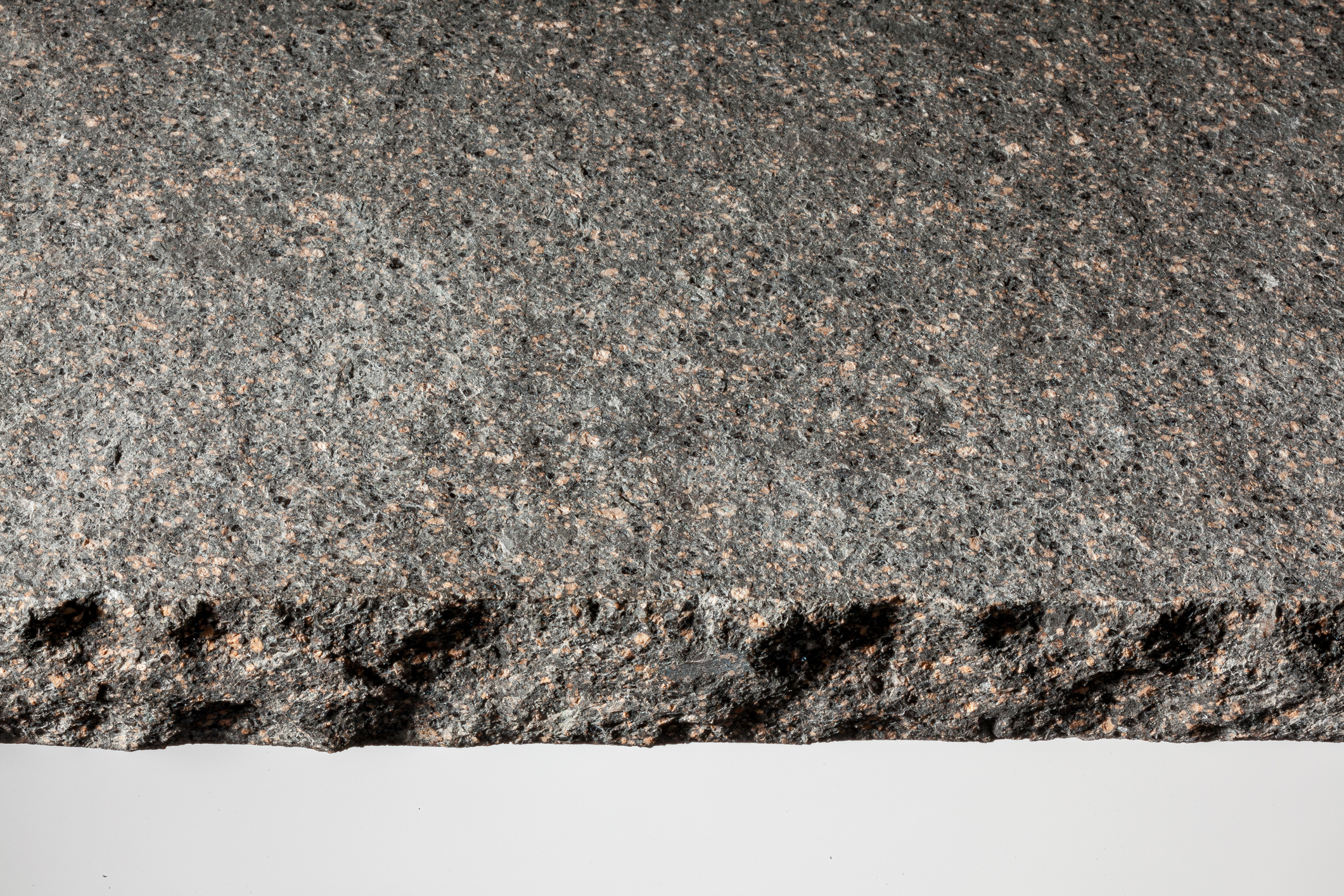
Granite countertops are cut from natural stone slabs quarried from the earth. Each slab is formed over millions of years and features unique mineral compositions, veining, and color variations.
Quartz countertops, on the other hand, are engineered stone. They’re made from crushed quartz combined with resins and pigments to create consistent patterns and colors.
Both are durable, high-quality surfaces. However, granite’s natural origins give it advantages in heat resistance, individuality, and long-term perception — especially important to homeowners weighing value and longevity.
One of the biggest reasons homeowners choose granite countertops in Pittsburgh is simple: no two slabs are alike.
Granite’s veining, flecks, and mineral movement create a one-of-a-kind surface that can’t be duplicated by engineered materials. While quartz offers uniformity, many homeowners prefer the character and depth that only natural stone provides.
This individuality is especially appealing in kitchens and bathrooms where the countertop becomes a focal point. Choosing granite means your space won’t look like every other remodel on the block.
When selecting stone, working with professionals who understand granite slab selection and pattern matching is key. Read more about how homeowners can confidently choose slabs that complement their space
Pittsburgh’s housing stock is full of character — from classic brick homes and century-old properties to transitional and modern remodels. Granite fits naturally into this architectural landscape.
Granite pairs exceptionally well with:
In older Pittsburgh homes, granite often feels more authentic than highly uniform quartz designs. For remodels focused on resale, granite also aligns with buyer expectations of a premium, timeless upgrade.
Neighborhoods with established homes — including Mount Lebanon, Upper St. Clair, Fox Chapel, and parts of the North Hills — often see granite as a natural fit rather than a trend-driven choice.
Granite’s natural heat resistance is another major advantage — especially for homeowners who actually cook and entertain.
Hot pans, baking sheets, and cookware can be placed directly on granite without damage. Quartz, while durable, relies on resins that can discolor or weaken under extreme heat.
Many homeowners don’t realize how often heat exposure occurs in everyday kitchen use. Over time, granite’s tolerance for high temperatures becomes a practical, stress-reducing benefit — not just a technical feature.
Granite is one of the hardest natural materials used in residential construction. When properly fabricated and installed, it offers:
While quartz is also durable, granite’s natural composition allows it to age gracefully rather than show wear from resins or surface degradation.
The key factor here is professional fabrication and installation. Proper cutting, edge finishing, and seam placement ensure granite performs as intended for the long haul so the natural beauty and durability is set up for success.
One common hesitation homeowners have about granite is maintenance — but much of this concern is outdated.
Yes, granite should be sealed. But modern sealers are long-lasting, and most homeowners only need to reseal every 1–3 years, depending on usage and stone type.
Daily care is simple:
For many homeowners, granite maintenance turns out to be far easier than expected — and rarely a dealbreaker once the facts are clear.
When comparing granite countertop cost in Pittsburgh, pricing often overlaps with quartz, depending on slab selection, thickness, and installation complexity.
While exact numbers vary, granite consistently holds its reputation as a premium surface in the eyes of buyers and real estate professionals. In resale scenarios, granite countertops are often viewed as a strong selling point rather than a neutral feature.
For homeowners investing with long-term value in mind, granite delivers durability and visual impact that continues to pay off.
Granite is not a DIY material. Proper granite countertop installation in Pittsburgh requires precise measurements, professional fabrication, and experienced installers.
Poor installation can lead to:
Working with a local Pittsburgh installer ensures familiarity with regional homes, layout challenges, and best practices for natural stone. Professional installation protects both the investment and the finished look.
Selecting granite involves more than choosing a color online. Homeowners should consider:
Viewing slabs in person is strongly recommended. Lighting, cabinet colors, and room size all influence how granite looks once installed.
After weighing the options, many Pittsburgh homeowners come back to the same conclusions:
Granite isn’t a trend, it’s a proven, timeless material that continues to meet homeowner expectations year after year.
Ready to Install Granite Countertops in Pittsburgh?
If you’re planning a kitchen or bathroom remodel, the next step is seeing granite options in person and speaking with professionals who understand natural stone such as granite.
Whether you’re comparing materials, reviewing slab options, or requesting pricing, a consultation can help you move forward with confidence.

Lexmar USA refers its customers to the following quality lender for their financing.
Click here for more details and enter Promo Code: 0038-3729