- Home
- Countertops
- Products
- Gallery
- Customer Testimonials
- Design Simulator
- Resources
- Contact



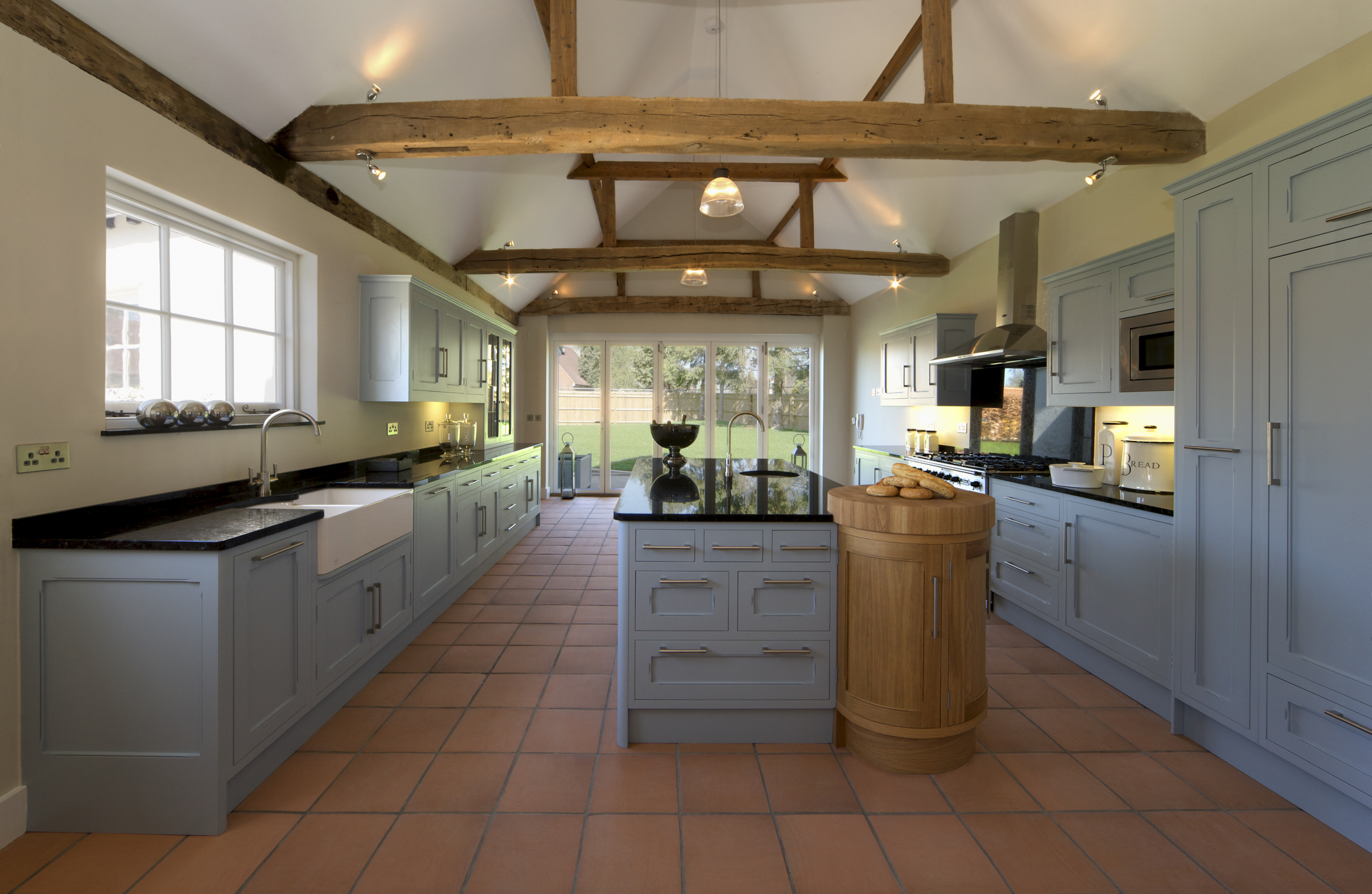
Choosing a sink is not only a style decision. The sink you select affects how your countertop is measured, cut, supported, finished, and installed. Whether you are planning a kitchen, bathroom, laundry room, bar, or utility space, sink details should be finalized before fabrication begins.https://www.lexmarusa.com/blog/how-sink-type-in…rtop-fabrication/
This is especially important for granite, quartz, and solid surface countertop installations. Each material requires accurate planning for the sink cutout, faucet holes, countertop seams, and installation sequence. Once the countertop template is created and the material is cut, changing the sink can delay the project or require changes to the fabrication plan.
Lexmar USA is a countertop fabricator that Pittsburgh homeowners can work with to plan these details before fabrication begins. This guide explains how sink types, cutouts, seams, faucet holes, support, and material choice all influence the countertop installation process.
A countertop template depends on the exact sink model. Fabricators need the sink’s size, shape, mounting style, and specifications before cutting the slab or surface. Without those details, it is difficult to plan the opening, edge finish, faucet placement, and support correctly.
Changing the sink after templating can create problems. The new sink may not fit the cabinet, may require a different cutout, or may change the location of faucet holes and seams. Sink type can influence cutout size, cutout shape, polished or unfinished edges, cabinet fit, support needs, faucet hole placement, countertop seams, and the installation sequence.
Working with an experienced countertop fabricator in Pittsburgh helps ensure these details are not missed before fabrication begins.
An undermount sink is one that is installed beneath the countertop. This style is common with granite, quartz, and other stone surfaces because it creates a clean transition between the sink and countertop.
With an undermount sink, the countertop edge around the sink is visible. That means the sink cutout must be carefully shaped, finished, and polished. Since a rim does not hide the opening, the quality of the cut matters.
Undermount sinks also need proper support from below. Water, dishes, cookware, and daily use add weight, so installation quality is important. This style is a good fit for homeowners who want easier cleanup because crumbs and water can be wiped directly into the sink.
The sink cutout must closely match the sink shape. The exposed inner edge needs a finished appearance, especially when stone is used. Poor planning can affect appearance, drainage, cleaning, and long-term performance.
For granite countertop installation, polished granite sink openings require careful fabrication. The fabricator needs the exact sink model and specifications before cutting the countertop.
A drop-in sink, also called a top-mount sink, is installed from above. The sink rim is on top of the countertop and covers the edge of the cutout.
Because the rim covers the opening, the cut edge usually does not need the same finished appearance as an undermount sink. Drop-in sinks can be practical for laundry rooms, utility spaces, budget-sensitive projects, or some replacement situations.
However, a drop-in sink still requires accurate measurement. The opening must be properly sized so the sink fits securely and the rim rests evenly. One tradeoff is that the raised rim can collect water or debris, which homeowners should consider when comparing sink options.
A drop-in sink may work well in utility rooms, laundry areas, certain bathroom vanities, and existing layouts where cabinet or countertop conditions limit other options. It can also be practical when function matters more than a seamless appearance.
A farmhouse sink, also called an apron-front sink, has an exposed front panel. This sink style affects both cabinets and countertops, so it should be selected early.
Farmhouse sinks are often larger and heavier than standard sinks. Cabinet modifications are often needed to ensure the front apron shows properly. The sink also needs support before countertop installation. Depending on the model, the countertop may require a specific cut around the sink’s back and sides.
Farmhouse sinks should not be chosen late in the project. They require coordination between the cabinet layout, sink specifications, countertop template, and fabrication plan.
Farmhouse sinks can change the cabinet front design, countertop overhang, and countertop seams. Since the countertop may need to wrap around the sink, the fabricator has to plan where seams can be placed safely and neatly.
This coordination is especially important in Pittsburgh-area renovations, where existing cabinets or older layouts may require extra planning.
An integrated sink creates a smooth transition between the sink and countertop. This style is commonly associated with solid-surface countertops, where the sink and surface are often joined with minimal visible separation.
Integrated sinks can be useful in bathrooms, healthcare spaces, commercial restrooms, offices, and utility spaces where easy cleaning is important. They are not typically handled the same way as undermount sinks in granite or quartz. Granite and quartz usually require separate sink installations, including cutouts, edge finishing, and support planning.
Integrated sinks often work well in bathroom vanities, commercial restrooms, healthcare or office settings, utility spaces, and projects where cleanability is a top priority.
Larger sinks require larger cutouts. Larger cutouts leave less countertop material around the sink. The front rail and back rail, which are the narrow sections in front of and behind the sink, need enough material and support.
Oversized sinks may not be appropriate for every cabinet or slab layout. A sink may be too wide for the cabinet base, leave too little material around the opening, or interfere with faucet placement.
This matters in granite countertop installation because the fabricator needs to protect the countertop’s strength and appearance during installation. A professional fabricator can review the sink, cabinet, and countertop material together before fabrication begins.
Different sink shapes require different cutout plans. Rectangular, rounded, workstation, prep, bar, and specialty sinks all affect countertop fabrication differently.
Rectangular undermount sinks may require careful inside corners.
Workstation sinks may need precise measurements for ledges and accessories. Bar or prep sinks may need separate faucet holes and plumbing considerations. The more specialized the sink, the more important the specifications become.
The sink is only one part of the layout. Faucet and accessory holes may be drilled into the countertop, so they should be planned before fabrication.
Homeowners should decide in advance whether they need a main faucet, soap dispenser, filtered water faucet, air switch, sprayer, hot water dispenser, or dishwasher air gap, if required. Placement must work with the backsplash, windows, cabinet space, and plumbing below.
Adding holes later may be possible in some cases, but it depends on the material, layout, and installation conditions. Planning before fabrication is better.
Fabricators try to avoid weak or highly visible seam locations when possible. Since sink areas already have large openings, countertop seams near sinks need careful planning.
A seam near a sink may sometimes be unavoidable, but it should be intentional. Slab size, kitchen layout, sink and cooktop locations, island or peninsula design, material type, and access to the home can all influence seam placement.
Lexmar USA’s professional templating process helps homeowners plan these details before fabrication and installation.
Granite countertops work well with undermount sinks when planned properly. The sink opening must be cut and polished carefully because the inside edge will be visible. Proper sink support is also important.
For granite countertop installation, sink planning is one detail that should be finalized before fabrication begins. Homeowners may also want to review granite countertop edge options when planning the finished look.
Quartz countertops also work well with undermount sinks in many projects. Quartz offers consistent patterns and low maintenance, but sink cutouts, support, and faucet holes still need careful planning.
Solid surface can be a strong option for integrated sinks. It is often useful in bathrooms, commercial spaces, and utility areas where smooth transitions and easy cleaning matter.
Common mistakes include choosing the sink after templating, selecting a sink that does not fit the cabinet, not providing the exact sink model, choosing a sink that is too large, forgetting faucet and accessory holes, assuming all sink types work with all countertop materials, ignoring support requirements, or changing sink style after fabrication starts.
These issues can often be avoided by involving Lexmar USA early in the countertop planning process. Homeowners can also review Lexmar USA’s sink options before finalizing a selection.
Before choosing a sink, ask whether it will fit your cabinet, whether it is compatible with your countertop material, and whether it should be undermount, drop-in, farmhouse, or integrated. Also, ask how the sink edge will be finished, where the faucet and accessories will go, whether the sink needs extra support, whether it could affect seam placement, and whether the sink needs to be on site before templating.
It is also worth asking whether the sink is a good fit for granite, quartz, solid surface, or a remnant. These questions help the fabricator create an accurate countertop template and fabrication plan.
Sink selection should occur early because it affects the countertop cutout, edge finishing, support, faucet holes, seams, and the installation sequence. Undermount, drop-in, farmhouse, and integrated sinks each have different fabrication requirements, and not every sink is right for every material or layout.
Lexmar USA helps Pittsburgh-area homeowners coordinate sink and countertop materials, templating, and installation. Whether you are planning granite countertop installation, quartz countertops, solid surface countertops, or a smaller remnant project, working with a countertop fabricator Pittsburgh homeowners trust can make the process clearer.
Planning a new countertop project? Lexmar USA can help you choose a sink, countertop material, and layout that work together before fabrication begins. Contact Lexmar USA to request an estimate or discuss your project.
Yes. Your fabricator needs the exact sink size, shape, and installation style before creating the final template and cutout.
Undermount sinks are a popular choice for granite countertops because they create a clean look and allow the polished stone edge around the sink to show.
Changing the sink after templating can create delays or require changes to the fabrication plan. It is best to choose your sink before the template is finalized.
Yes. Farmhouse sinks often require cabinet preparation, support planning, and careful countertop cuts around the sink.
Sometimes, but it depends on the material, layout, and installation conditions. It is better to plan faucet and accessory holes before fabrication.
Yes, but the remnant must be large enough to allow for the sink cutout, faucet holes, edge space, and proper support.

Lexmar USA refers its customers to the following quality lender for their financing.
Click here for more details and enter Promo Code: 0038-3729